
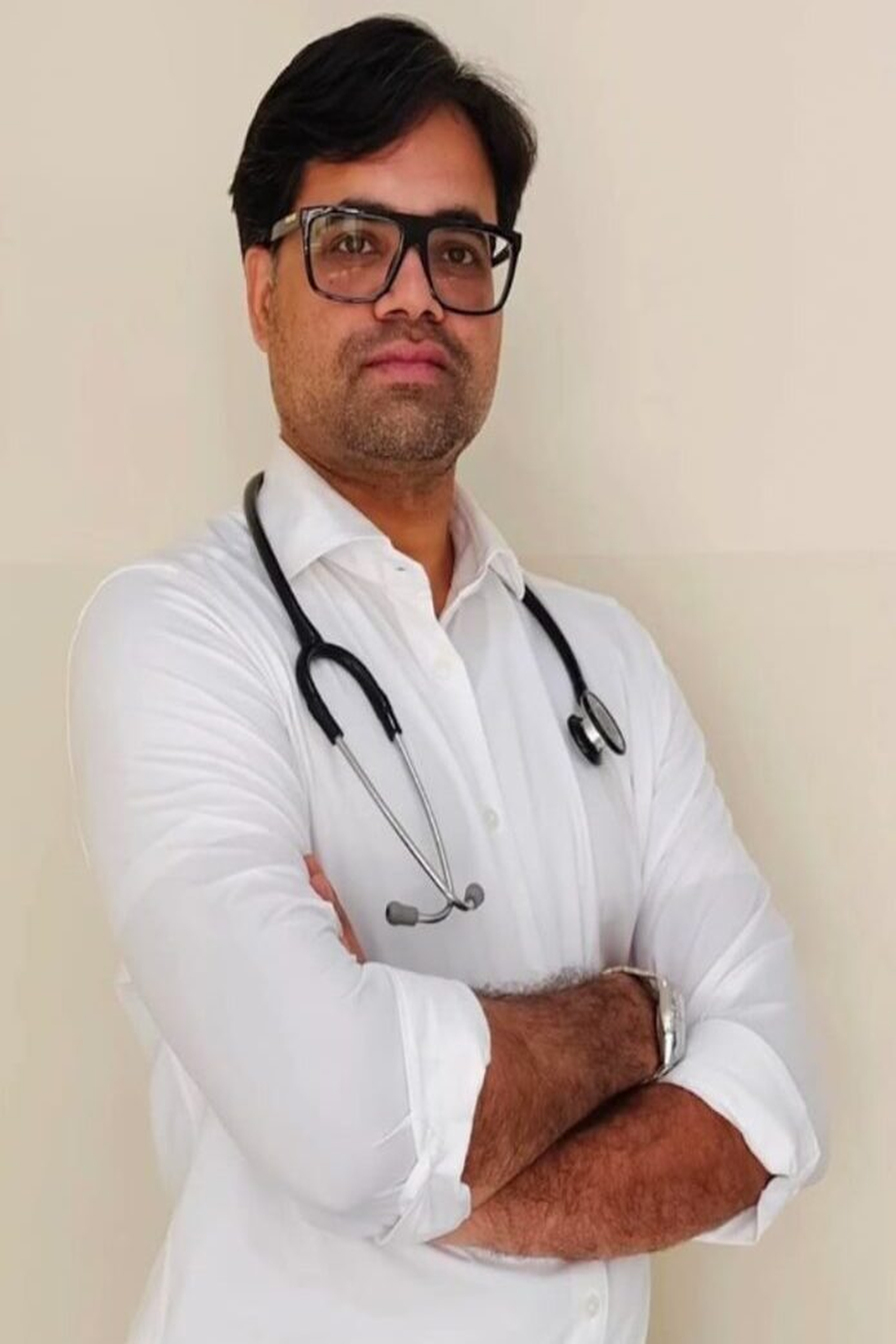
Dr. D. Rahul
MBBS, MD
Consultant Gastroenterologist


The Department of Gastroenterology at People’s Hospital, Pragathinagar, is dedicated to providing comprehensive care for patients with digestive disorders and diseases of the gastrointestinal tract. Our team of experienced gastroenterologists, nurses, and support staff is committed to delivering exceptional, patient-centered care using the latest advancements in diagnosis, treatment, and management.
Our Services:
Diagnostic Procedures:
We offer a full range of diagnostic procedures to evaluate gastrointestinal health and identify conditions such as gastroesophageal reflux disease (GERD), peptic ulcers, inflammatory bowel disease (IBD), and gastrointestinal cancers.
Diagnostic tests include upper endoscopy (esophagogastroduodenoscopy), colonoscopy, sigmoidoscopy, and capsule endoscopy.
Therapeutic Interventions:
Our gastroenterologists perform a variety of therapeutic procedures to treat gastrointestinal conditions and alleviate symptoms.
These procedures include polypectomy, endoscopic mucosal resection (EMR), endoscopic retrograde cholangiopancreatography (ERCP), and dilation of strictures.
Liver Disease Management:
We specialize in the diagnosis and management of liver diseases such as hepatitis, fatty liver disease, cirrhosis, and liver cancer.
Our team provides comprehensive care, including liver function testing, imaging studies, and liver biopsy when necessary, to optimize outcomes for patients with liver disorders.
Inflammatory Bowel Disease (IBD) Clinic:
We offer specialized care for patients with inflammatory bowel diseases such as Crohn’s disease and ulcerative colitis.
Our multidisciplinary team provides individualized treatment plans tailored to each patient’s needs, including medication management, nutritional support, and surgical consultation when indicated.
Nutritional Counseling:
Our registered dietitians work closely with patients to address nutritional deficiencies and optimize dietary habits to support gastrointestinal health.
We provide education and guidance on dietary modifications, supplementation, and lifestyle changes to improve overall well-being.
Our Approach:
At the Department of Gastroenterology, we prioritize compassionate care, effective communication, and collaboration to ensure the best possible outcomes for our patients. We strive to create a supportive environment where patients feel empowered to participate in their own healthcare decisions and achieve optimal gastrointestinal health.
For those seeking the Best Gastroenterologist in Pragathi Nagar, People’s Hospital provides comprehensive services and exceptional care for all gastrointestinal needs.